
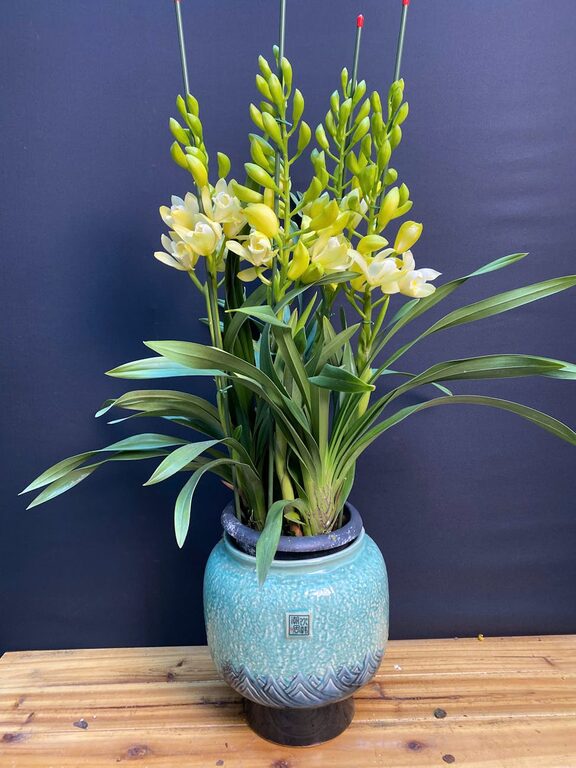
Bringing houseplants into your home is a wonderful way to add natural beauty, improve air quality, and create a calming atmosphere. However, keeping these indoor plants healthy can sometimes be a challenge, especially if you’re new to plant care. With the right knowledge and routine, you can help your houseplants thrive for years.
In this post, we’ll explore essential tips to keep your houseplants flourishing. Whether you have a few succulents or a collection of leafy greens, these guidelines will help ensure your indoor garden stays vibrant.
Understanding Your Plant’s Needs
Every plant species has unique requirements for light, water, soil, and temperature. Before choosing houseplants, it’s helpful to research their ideal growing conditions.
Light Requirements
Light is one of the most critical factors for plant health. Some plants prefer bright, direct sunlight, while others thrive in low or indirect light.
– Bright light plants: Succulents, cacti, and herbs generally need several hours of direct sunlight daily.
– Medium light plants: Pothos, spider plants, and snake plants do well in indirect light or near a bright window.
– Low light plants: Some ferns, cast iron plants, and peace lilies tolerate shade and low light interiors.
Placing your plants according to their light preferences ensures they can photosynthesize effectively and avoid issues like leggy growth or leaf discoloration.
Watering Wisely
Overwatering or underwatering is a common problem that can harm houseplants. Finding the right watering routine depends on the plant type, pot size, and indoor environment.
Tips for Proper Watering
– Check soil moisture: Stick your finger about an inch into the soil. If it feels dry, it’s time to water.
– Use room temperature water: Cold water can shock roots, so let water sit to reach room temperature before watering.
– Avoid waterlogging: Ensure pots have drainage holes; standing water can cause root rot.
– Adjust watering frequency: Plants generally need less water in cooler months and more in warmer seasons.
Remember, plants like succulents prefer to dry out completely between watering, while tropical plants might like consistently moist soil.
Choosing the Right Soil
Healthy soil provides essential nutrients and proper drainage. Different plants need different soil types to thrive.
– Succulents and cacti: Use a well-draining cactus mix to prevent excess moisture retention.
– Tropical plants and ferns: Use rich, peat-based potting soils that retain moisture.
– General houseplants: A standard potting mix often works fine but consider adding perlite or vermiculite for better aeration.
Occasionally, repotting your plants with fresh soil helps replenish nutrients and supports root growth.
Proper Pot and Drainage
Using the right container supports healthy root systems and prevents overwatering.
– Drainage holes: Always choose pots with holes to allow excess water to escape.
– Pot size: Pick a container slightly larger than the root ball, giving space to grow without overwhelming the plant.
– Material: Terra cotta pots are porous and allow better airflow but may dry out quickly. Plastic pots retain moisture longer but have less breathability.
If a pot lacks drainage, consider adding a layer of gravel at the bottom or watering very carefully.
Maintaining Humidity and Temperature
Most houseplants are native to tropical or temperate climates and thrive in moderate humidity and stable temperatures.
– Humidity: Increase humidity levels near tropical plants by misting leaves, grouping plants together, or using a humidifier.
– Temperature: Avoid drafts, radiators, and air conditioning vents. Most houseplants do well between 65°F and 75°F (18°C to 24°C).
Keeping conditions stable helps prevent stress, pests, and diseases.
Feeding Your Plants
Plants need nutrients to grow, especially when grown in pots where natural soil nutrients are limited.
– Use balanced fertilizers: Opt for a general-purpose liquid fertilizer diluted to half strength.
– Timing: Fertilize during the active growing season (spring and summer) and reduce feeding during winter dormancy.
– Organic options: Compost teas or worm castings can offer gentle, natural nourishment.
Following feeding schedules prevents nutrient deficiencies and supports robust growth.
Pruning and Cleaning
Regular maintenance keeps plants healthy and attractive.
– Prune dead or yellowing leaves: This prevents disease spread and encourages new growth.
– Trim leggy stems: Helps maintain shape and promotes bushier growth.
– Clean leaves: Dust buildup blocks light. Wipe leaves gently with a damp cloth or give the plant a gentle shower.
Healthy plants are better able to resist pests and adapt to indoor conditions.
Watch for Pests and Diseases
Indoor plants can occasionally attract pests like spider mites, aphids, or mealybugs.
– Inspect plants regularly: Look under leaves and along stems.
– Use natural remedies: Insecticidal soap or neem oil can gently control infestations.
– Quarantine new plants: Keep them separate for a few weeks to avoid spreading pests to existing plants.
Early detection and treatment help keep plants thriving.
Final Thoughts
Caring for houseplants is a rewarding hobby that connects you with nature. With attention to their specific light, water, and soil needs, a little patience, and regular maintenance, your plants will flourish and brighten up your home. Start small, observe your plants closely, and enjoy the peaceful benefits of indoor greenery!
Happy planting!