
Stretching is a fantastic way to enhance your physical well-being, improve flexibility, and reduce muscle tension—all from the comfort of your home. Whether you’re new to exercise or looking to add a calming routine to your day, stretching can be a gentle yet powerful practice to incorporate. This beginner’s guide will take you through the basics of stretching at home, including why it’s important, how to get started, and some simple stretches to try.
Why Stretching Matters
Stretching isn’t just about touching your toes or doing splits. It plays a vital role in keeping your body healthy. Here are some key benefits:
– Increased flexibility: Helps your muscles move more freely and comfortably.
– Improved posture: Reduces muscle imbalances and tension that can affect how you carry yourself.
– Enhanced circulation: Encourages blood flow to muscles and joints.
– Reduced stress: Gentle stretching can calm your mind and relax your body.
– Injury prevention: Prepares your muscles for activity and helps with recovery afterward.
Getting Started with Stretching
Before you jump into stretching, keep these tips in mind to ensure you do it safely and effectively:
– Warm up first: Stretching cold muscles can cause injury. Start with 5-10 minutes of light activity such as walking or marching in place.
– Breathe deeply: Don’t hold your breath. Slow, deep breaths help your muscles relax.
– Stretch to mild tension: You should feel a gentle pull, not pain.
– Hold each stretch: Aim for 15 to 30 seconds per stretch.
– Avoid bouncing: Stretch smoothly and steadily to prevent strain.
– Keep a routine: Try to stretch daily or at least several times a week.
Basic Stretches for Beginners
Here are some simple stretches you can easily do at home. They target major muscle groups and help build a balanced routine.
1. Neck Stretch
– Sit or stand tall.
– Slowly tilt your head toward your right shoulder until you feel a stretch on the left side of your neck.
– Hold for 20 seconds, then switch sides.
2. Shoulder Rolls
– Stand or sit with your back straight.
– Roll your shoulders gently forward in a circular motion 10 times.
– Then roll them backward 10 times.
3. Chest Stretch
– Stand in a doorway and place your forearms on the doorframe.
– Step one foot forward and gently lean in until you feel a stretch across your chest.
– Hold for 20-30 seconds.
4. Seated Hamstring Stretch
– Sit on the floor with your legs extended straight in front of you.
– Keeping your back straight, slowly reach toward your toes.
– Hold for 20-30 seconds. If needed, bend your knees slightly.
5. Quadriceps Stretch
– Stand near a wall or chair for support.
– Bend your right knee and grab your right ankle behind you.
– Gently pull your ankle toward your buttocks until you feel a stretch in the front of your thigh.
– Hold for 20 seconds, then switch legs.
6. Cat-Cow Stretch
– Get on your hands and knees in a tabletop position.
– Arch your back upward (like a cat) while tucking your chin.
– Then lower your belly toward the floor as you lift your head and tailbone (cow pose).
– Repeat slowly 5-10 times.
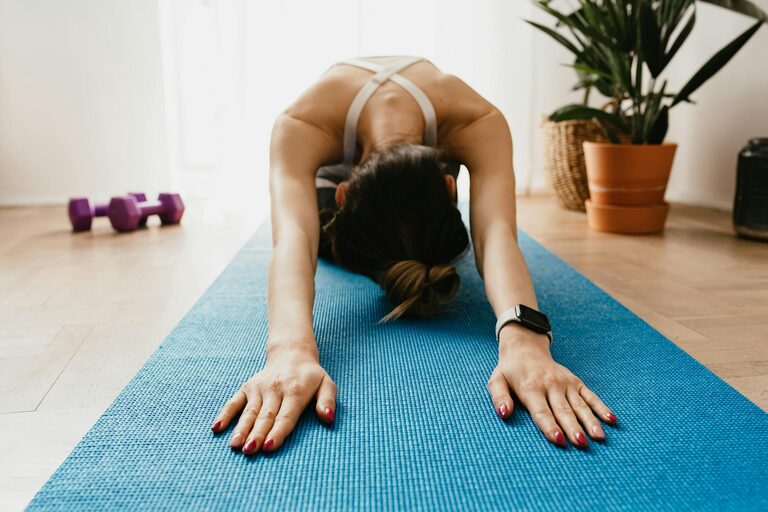
7. Child’s Pose
– From the tabletop position, sit back onto your heels.
– Stretch your arms forward and lower your chest toward the floor.
– Hold for 30 seconds or longer for a relaxing stretch.
Creating a Stretching Routine
Consistency is key to seeing benefits from stretching. Here’s a simple plan to get you started:
- **Choose 5-7 stretches** that feel good for your body.
- **Set aside 10-15 minutes** either in the morning, after work, or before bed.
- **Focus on your breathing** and take your time with each stretch.
- **Listen to your body**—never push into pain.
- **Progress gradually** by increasing hold times or adding new stretches.
Tips for Staying Motivated
– Stretch with music: Play calming tunes or your favorite playlist.
– Use reminders: Set alarms or sticky notes as prompts.
– Track your progress: Keep a log of how you feel after each session.
– Buddy up: Stretch with a family member or friend for mutual encouragement.
– Celebrate small wins: Notice improvements in flexibility or reduced tension.
When to Avoid Stretching or Seek Advice
If you have certain health conditions, recent injuries, or experience sharp pain when stretching, consult a healthcare professional before continuing. It’s especially important to be cautious if you have joint problems or chronic pain.
Final Thoughts
Stretching at home is accessible, gentle, and rewarding. With just a few minutes daily, you can enhance your flexibility, ease muscle tension, and feel more relaxed. Remember, the goal is to listen to your body and enjoy the process. So roll out a mat, find your favorite spot, and start stretching your way to better health today!
—
If you’re interested in expanding your home fitness routine, consider pairing stretching with light aerobic exercises or yoga for a well-rounded approach to wellness. Happy stretching!