
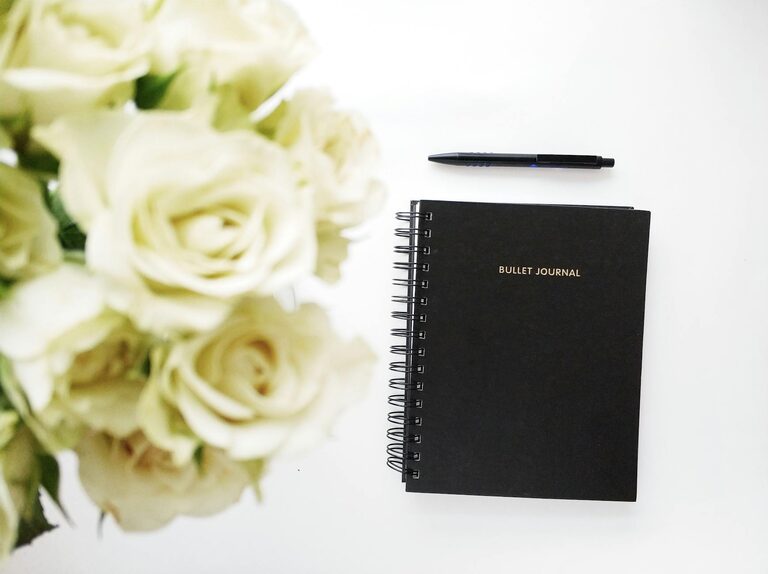
Bullet journaling has become a popular way to organize tasks, track habits, and express creativity all in one place. If you’re new to this creative planning method, this beginner guide will walk you through the essentials of starting your own bullet journal. Whether you want to improve productivity or simply have a fun creative outlet, bullet journaling can be tailored to fit your needs.
What is Bullet Journaling?
A bullet journal, often abbreviated as BuJo, is a customizable planning system created by Ryder Carroll. Unlike traditional planners, it combines task lists, calendars, notes, and habit trackers in one notebook. The beauty of bullet journaling lies in its flexibility—you design the pages to suit your personal style and goals.
Why Start a Bullet Journal?
– Customization: Create layouts that fit your life rather than adjusting your life to a pre-made planner.
– Improved Productivity: Organize tasks clearly and set priorities.
– Mindfulness: Reflect on your goals and habits regularly.
– Creativity: Decorate your pages and enjoy artistic expression.
– All-in-One: Keep to-do lists, appointments, and notes together.
What You’ll Need to Begin
Starting a bullet journal doesn’t require fancy supplies. Here’s what you need:
– Notebook: A dotted or grid notebook is popular for bullet journaling because it helps align layouts neatly, but any notebook works.
– Pen or Pencil: Choose what feels comfortable. Many use fine liners or gel pens.
– Ruler: Helpful for drawing straight lines and grids.
– Optional Supplies: Colored markers, stickers, stencils, or washi tape for decoration.
Setting Up Your First Bullet Journal
1. Index
Start your journal with an index or table of contents. This helps you quickly find sections as your journal grows. Reserve the first few pages for this purpose.
2. Future Log
The future log is a place to jot down important events, appointments, or goals for upcoming months. Divide a page or two into sections for each month and write down significant dates or tasks.
3. Monthly Log
Your monthly log acts as an overview of each month. It usually consists of a calendar page with dates and space to write key events and a task list for monthly goals.
4. Daily Logs
The heart of bullet journaling is the daily log. This is where you record the day’s tasks, notes, and events. Use bullet points and symbols (tasks, events, notes) to categorize entries quickly.
5. Collections
Collections are themed pages for tracking specific areas like books to read, fitness goals, budget tracking, or meal planning. You can create these anytime as new interests arise.
Using Symbols and Signifiers
Bullet journals use simple symbols (called bullets) to quickly identify entries:
– Tasks: Represent with a dot (•).
– Completed Tasks: Cross out (x) the dot to show completion.
– Events: Use a circle (o) to mark an event or appointment.
– Notes: Use a dash (–) for general notes and ideas.
– Priority: Use an asterisk (*) or exclamation mark to highlight important tasks.
You can customize these symbols to fit your preferences.
Tips for Effective Bullet Journaling
– Keep It Simple: Start with basic layouts and avoid overwhelming yourself with decoration.
– Be Consistent: Set aside time daily or weekly to update your journal.
– Review and Migrate: At the end of each month, review incomplete tasks and migrate them to the next month or future log.
– Personalize: Experiment with different layouts and trackers based on what works best for you.
– Use Color Thoughtfully: Color-code for categories like work, personal, or health to quickly scan your journal.
– Don’t Stress About Perfection: Your bullet journal is a tool—not a work of art. Mistakes add character.
Popular Bullet Journal Layout Ideas
– Habit Tracker: Track daily habits like water intake, exercise, or meditation.
– Mood Tracker: Log your emotions to identify patterns or triggers.
– Gratitude Log: Write daily or weekly things you’re thankful for.
– Goal Setting: Break large goals into actionable steps.
– Budget Tracker: Manage expenses and savings easily.
– Meal Planner: Plan weekly meals to save time and eat healthier.
Using Your Bullet Journal Digitally
While many prefer pen and paper, some enjoy bullet journaling digitally on tablets or apps that mimic notebooks. Digital journals offer easy editing and portability, but require a device and sometimes a learning curve.
Final Thoughts
Bullet journaling is more than just a planner—it’s a creative system that can help you stay organized, motivated, and mindful. Start simple, be patient, and adjust as you learn what suits your life best. The key is to make your bullet journal your own personal space for planning and reflection.
Happy journaling!
If you enjoyed this beginner guide, stay tuned for more tips and creative ideas to get the most out of your bullet journal.